
Homemade Cinnamon Rolls
Introduction
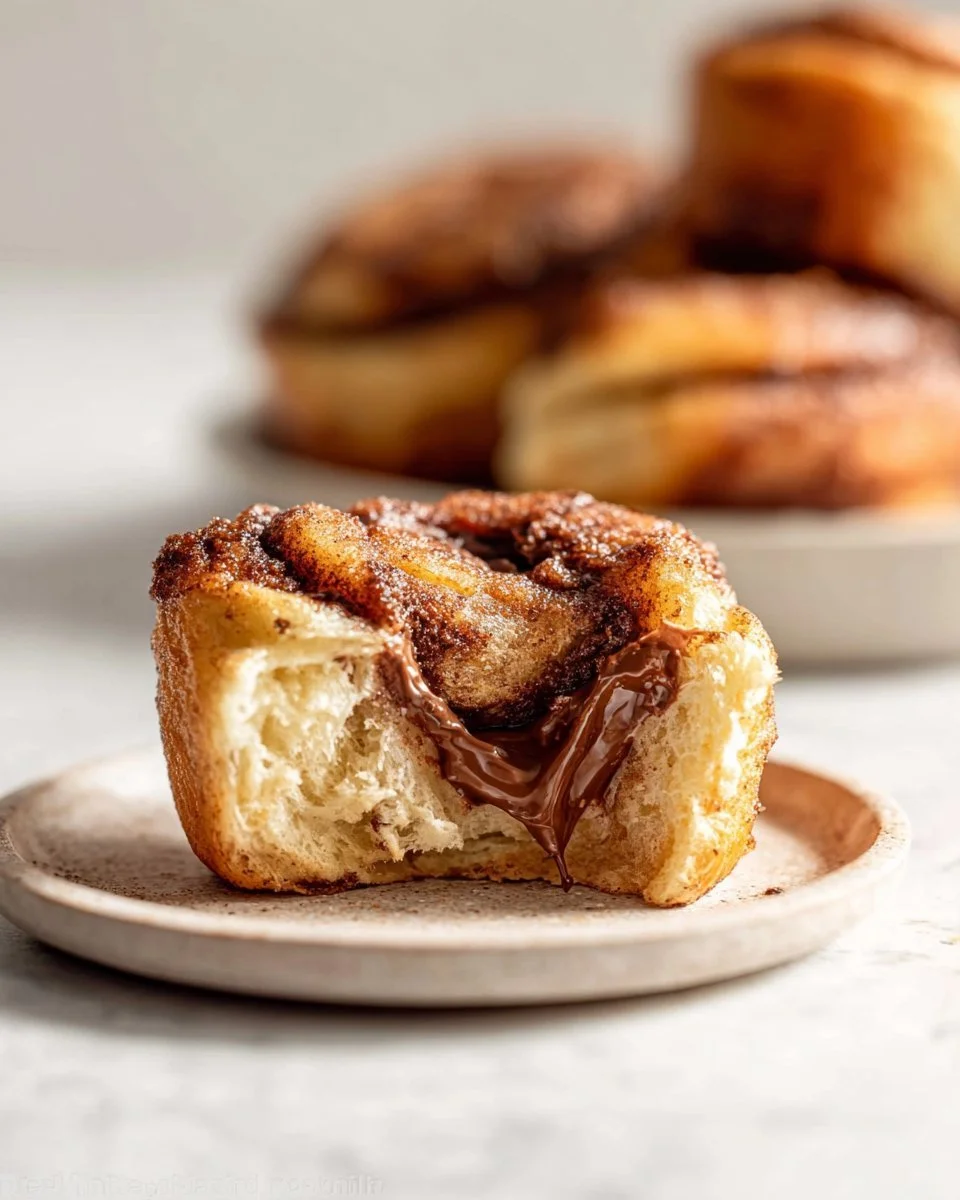
These homemade cinnamon rolls are soft, tender, and filled with warm cinnamon sweetness in every bite. The dough is rich from whole milk and butter, which gives each roll a tender crumb and a lightly buttery aroma as they bake. When properly laminated with a layer of butter, the rolls have distinct layers that melt into soft swirls once baked. They are ideal for weekend mornings, holiday brunches, or any time you want a comforting, bakery-style treat made at home. If you like pairing sweet rolls with a savory side for a full brunch spread, try my best homemade cornbread recipe to round out the table.
Ingredients
- 1 cup whole milk, warmed to 110°F (43°C). Warm milk activates the yeast without killing it and gives a tender dough.
- 2 and 1/4 teaspoons instant or active dry yeast. This amount is one packet of yeast and provides the lift for the dough.
- 3 tablespoons granulated sugar. Adds mild sweetness and feeds the yeast.
- 3 tablespoons unsalted or salted butter, softened. Enriches the dough and helps with texture.
- 3 cups all-purpose flour, plus more as needed. The base structure for the dough; add a little more if the dough feels sticky.
- 1 and 1/4 teaspoons salt. Balances sweetness and strengthens dough flavor.
- 1 cup salted butter, slightly softened for lamination. This is spread between layers for a buttery swirl.
- 1 tablespoon all-purpose flour for lamination. Helps stabilize the butter for easier spreading.
- 3/4 cup granulated sugar for filling. Provides the sweet base for the cinnamon layer.
- 1 tablespoon ground cinnamon. The primary spice for the classic filling.
- Optional fillings: Nutella, jam, lemon curd, or pastry cream. Use one optional filling per roll if you want a different flavor inside.
For a cinnamon dessert twist you might also enjoy the cinnamon roll cheesecake cookies recipe for a different shape and texture. Try the cinnamon roll cheesecake cookies.
Step-by-Step Instructions
- In the bowl of a stand mixer, whisk together the warmed milk, yeast, and 3 tablespoons granulated sugar. Let it sit for about 5 minutes until foamy. This confirms the yeast is active.
- Add the softened butter, 2 cups of flour, and salt to the mixer. Mix on medium speed for 2 minutes until well combined. The dough will start coming together but remain soft.
- Gradually add the remaining flour until a soft dough forms. Add a little more flour if the dough is too sticky, a tablespoon at a time. You want a tacky but manageable dough.
- Knead the dough for about 5 minutes on medium speed with the dough hook, until smooth and elastic. If kneading by hand, knead on a floured surface until elasticity develops.
- Place the dough in a greased bowl, cover, and let rise until doubled, about 2 hours. A warm, draft-free spot speeds this step.
- Punch down the dough and roll it out on a floured surface into a rectangle. Refrigerate the rolled dough for 20 minutes to make lamination easier.
- Prepare lamination by mixing the 1 cup slightly softened salted butter with 1 tablespoon flour until combined. This keeps the butter spreadable and helps it hold shape during rolling.
- Spread the butter mixture evenly on the chilled rolled dough, fold the edges over it, and roll into a rectangle again. Chill the laminated dough for another 20 minutes to firm up the butter layer.
- Sprinkle the surface evenly with 3/4 cup granulated sugar and 1 tablespoon ground cinnamon. Add any optional filling like Nutella, jam, lemon curd, or pastry cream in a thin layer if desired.
- Roll the dough tightly into a log from one long edge, then cut into individual rolls and place them in a baking dish. Cover and let rise until puffy. If you like, use a serrated knife or dental floss to get clean cuts.
- Preheat the oven to 350°F (175°C), bake the rolls until golden brown, about 20 to 25 minutes. Cool briefly before serving so the filling sets. A tip: check the center roll to ensure even bake.
If you prefer smaller treats with the same flavors, see these cinnamon roll cookies for an alternative form and baking approach. See the cinnamon roll cookies version.
Recipe Details
- Prep Time: 40 minutes active, plus about 3 hours 25 minutes rising and chilling time.
- Cook Time: 20 to 25 minutes.
- Total Time: About 4 hours 25 minutes including all rises and chills.
- Servings: Makes about 12 rolls.
- Calories: Approximately 350 calories per roll.
For another quick cinnamon roll inspired idea, you can compare textures and sizes with a different cookie-style version in the cinnamon roll cookies guide. Check the cinnamon roll cookies guide.
Tips, Storage & Variations
- Tip: Keep the butter for lamination slightly softened but not melted. If it becomes too soft, chill briefly until spreadable. This helps create defined layers.
- Tip: If your kitchen is cool, allow the dough to rise in an oven warmed to 100°F and then turned off, or near a warm appliance.
- Storage: Store cooled rolls in an airtight container at room temperature for up to 2 days. Reheat briefly in a low oven to freshen.
- Freezing: Freeze unbaked, cut rolls on a tray until solid, then transfer to a freezer bag for up to 3 months. Thaw and let rise before baking. Baked rolls freeze well too; thaw and warm in the oven.
- Variations using existing ingredients only: Add a thin layer of Nutella before rolling for a chocolate swirl, spread jam for a fruity version, incorporate lemon curd for a bright tart twist, or pipe pastry cream into the center after baking for a custardy finish.
- Serving idea: For a family meal pairing, these rolls work well alongside a comforting main like this easy homemade spaghetti Os with meatballs. Pair with easy homemade spaghetti Os with meatballs.
FAQ
- How long should I proof the dough?
Let the dough rise until doubled, about 2 hours in a warm, draft-free place. - Can I use instant yeast instead of active dry yeast?
Yes, use the same amount of instant yeast and mix it directly with the flour or milk as instructed. - Why do I chill the dough before lamination?
Chilling firms the dough and butter so the butter spreads evenly without melting. - How do I stop the butter from leaking during baking?
Keep the butter chilled and slightly firm before rolling and cutting, and avoid over-handling the dough. - Can I make these ahead and bake later?
Yes, you can prepare, cut, and freeze the rolls, then thaw, proof until puffy, and bake.
People Also Ask
- What temperature is best to proof cinnamon roll dough?
A warm, draft-free spot around 75°F to 85°F is ideal for consistent proofing. - How do I prevent soggy bottoms on the rolls?
Use a well-greased pan and ensure the rolls are not overfilled with wet fillings. - Can I substitute low-fat milk for whole milk?
Yes, but whole milk yields a richer, more tender crumb. - How thin should I roll the dough before filling?
Roll to about 1/4 inch thickness so layers remain distinct and the rolls bake evenly. - Is it better to use salted or unsalted butter?
Either works. The recipe includes salted butter for lamination, and you may choose salted or unsalted for dough as listed. - How can I reheat leftover cinnamon rolls?
Warm them in a 300°F oven for 8 to 10 minutes or microwave briefly on low power.
Conclusion
I hope these Homemade Cinnamon Rolls become a favorite for your weekend brunches and special mornings. For another tested from-scratch cinnamon roll approach, see the Homemade Cinnamon Rolls (Cinnabon Copycat) | Tastes of Lizzy T version for inspiration. If you want a simpler method with fewer rises, consider the Easy Cinnamon Rolls (Only 1 Rise) – Sally’s Baking Addiction recipe for a quicker bake. Try the recipe, share photos, and enjoy the cozy aroma and warm, buttery layers with friends and family.