
Lemon Curd Cheesecake
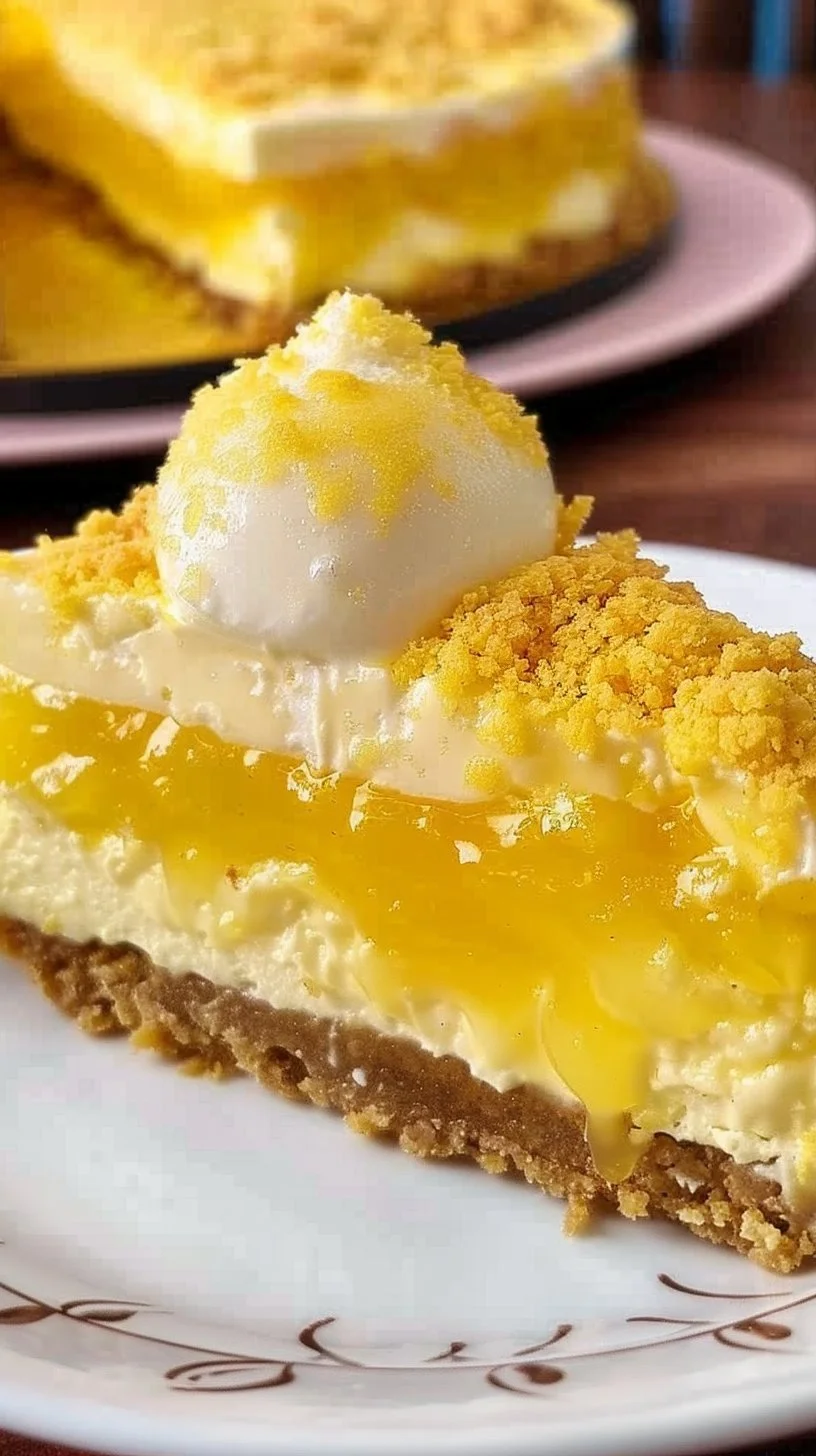
This Lemon Curd Cheesecake is a bright and silky dessert that balances tangy citrus with rich, creamy cheesecake. The tang of fresh lemon juice and zest cuts through the buttery, graham cracker crust, while a glossy layer of lemon curd on top gives each slice a sunny, jammy finish. Expect a smooth, dense texture that still has a gentle jiggle in the center after baking, and a fragrant lemon aroma that fills the kitchen as it cools. This cheesecake is ideal for spring and summer gatherings, celebratory dinners, or anytime you want a refreshing finish to a meal. It also travels well for potlucks and holidays when you want an elegant dessert that can be prepared ahead of time and chilled until you are ready to serve.
Ingredients
-
1 ½ cups graham cracker crumbs
Finely crushed for a sturdy, flavorful crust that holds the filling. -
½ cup unsalted butter, melted
Binds the crumbs and adds richness; use melted and slightly cooled. -
1 cup granulated sugar
Sweetens the filling and helps create a smooth texture. -
16 oz cream cheese, softened
Full-fat cream cheese gives the cheesecake its classic creamy body; bring to room temperature for easier mixing. -
3 large eggs
Add structure and help set the cheesecake; add them one at a time for best texture. -
½ cup sour cream
Adds tang and keeps the filling tender and silky. -
¼ cup lemon juice
Freshly squeezed provides the brightest lemon flavor. -
1 tablespoon lemon zest
Intensifies lemon aroma and flavor; zest before juicing the lemon. -
1 cup lemon curd
Spread on top for a glossy, concentrated lemon layer that complements the cheesecake.
Step-by-Step Instructions
-
Preheat your oven to 325°F (160°C) and position a rack in the center. Allow the oven to come fully up to temperature before baking.
-
In a bowl, combine the graham cracker crumbs and the melted butter until the crumbs are evenly moistened. Press the mixture firmly into the bottom of a 9-inch springform pan to form an even crust. Use the bottom of a measuring cup to compress the crumbs for an even surface.
-
In a large bowl, beat the softened cream cheese and the cup of granulated sugar until smooth and free of lumps. Scrape the bowl as needed so the mixture is uniform.
-
Add the eggs one at a time, mixing well after each addition to maintain a smooth texture. After the eggs are fully incorporated, stir in the sour cream, lemon juice, and lemon zest until just combined. Avoid overmixing.
-
Pour the cheesecake filling over the prepared crust and tap the pan gently on the counter a few times to release any large air bubbles.
-
Bake in the preheated oven for 50 to 60 minutes. The center should be set but still slightly jiggly when you gently shake the pan. The edges may be more firm and just slightly puffed.
-
Remove the cheesecake and allow it to cool completely at room temperature. Cooling slowly helps prevent cracks.
-
Once cooled, spread the cup of lemon curd evenly over the top of the cheesecake. Refrigerate the finished cheesecake for at least 4 hours before slicing so it sets and flavors meld.
-
For clean slices, run a warm knife around the edge of the cake before releasing the springform pan. Wipe the knife clean between slices for neat portions.
Recipe Details
- Prep Time: 20 minutes
- Cook Time: 50 to 60 minutes
- Total Time: About 5 hours 20 minutes, including chilling time
- Servings: 10 to 12 slices
- Calories: Approximately 430 kcal per serving
Tips, Storage & Variations
Tips
- Bring the cream cheese to room temperature for a lump-free batter.
- Use fresh lemon juice and zest for the brightest flavor.
- If the top cracks slightly, the lemon curd will help conceal imperfections.
Storage
- Refrigerate covered for up to 4 days. Keep in the springform pan or transfer to an airtight container.
- For best texture, slice from a well-chilled cheesecake.
Freezing
- To freeze, wrap the chilled cheesecake tightly in plastic wrap and then foil, or freeze individual slices in airtight containers. Freeze for up to 2 months. Thaw in the refrigerator overnight before serving. If frozen with lemon curd on top, allow extra time to soften in the fridge.
Variations using existing ingredients only
- Swirl some of the lemon curd into the batter before baking for a marbled lemon effect.
- Reserve a few tablespoons of graham cracker crumbs to sprinkle on top of the lemon curd for a crunchy finish.
- Add extra lemon zest to the filling for a more intensely aromatic lemon cheesecake.
Frequently Asked Questions
Q: Can I use low-fat cream cheese?
A: You can, but the texture will be less rich and may be slightly softer.
Q: Do I need a water bath?
A: No, this recipe does not require a water bath. Baking at a moderate temperature and cooling slowly helps prevent cracks.
Q: How can I tell when the cheesecake is done?
A: The edges should be set and the center should still have a slight jiggle when gently shaken.
Q: Can I make this ahead of time?
A: Yes, make it a day ahead and refrigerate for at least 4 hours; flavors improve after chilling.
Q: Why use sour cream?
A: Sour cream adds tang and keeps the texture creamy and tender.
People Also Ask
Q: What pan size should I use for this cheesecake?
A: Use a 9-inch springform pan as specified for proper filling depth and bake time.
Q: Can I use store-bought lemon curd?
A: Yes, store-bought lemon curd works well and saves time.
Q: How long should the cheesecake cool before refrigerating?
A: Cool completely at room temperature before spreading lemon curd and transferring to the fridge.
Q: Will the crust be soggy if I press it too much?
A: Pressing firmly is good for structure, but avoid making it too compact or thick.
Q: Can I double this recipe?
A: Doubling would require two pans or a larger pan; baking time may increase if the filling is deeper.
Q: Should I chill the pan before releasing the springform?
A: Chilling helps the cheesecake set and makes releasing the springform cleaner and easier.
Q: How do I prevent the top from browning too much?
A: Bake at the specified temperature and avoid placing the cheesecake too close to the top heating element.
Q: Is it okay if the center is slightly jiggly when done?
A: Yes, the center will continue to set as it cools and should be slightly jiggly when removed from the oven.
Conclusion
I hope this Lemon Curd Cheesecake becomes a go-to dessert for your next dinner or celebration. The balance of rich cream cheese and bright lemon curd is simple to achieve and makes a memorable dessert that can be prepared ahead. For a bit of extra inspiration, you might enjoy comparing techniques on Lemon Curd Cheesecake | Buttermilk by Sam or exploring a related approach at Lemon Cheesecake Recipe – Sally’s Baking Addiction. Share how your cheesecake turns out and enjoy each sunny, creamy slice.