
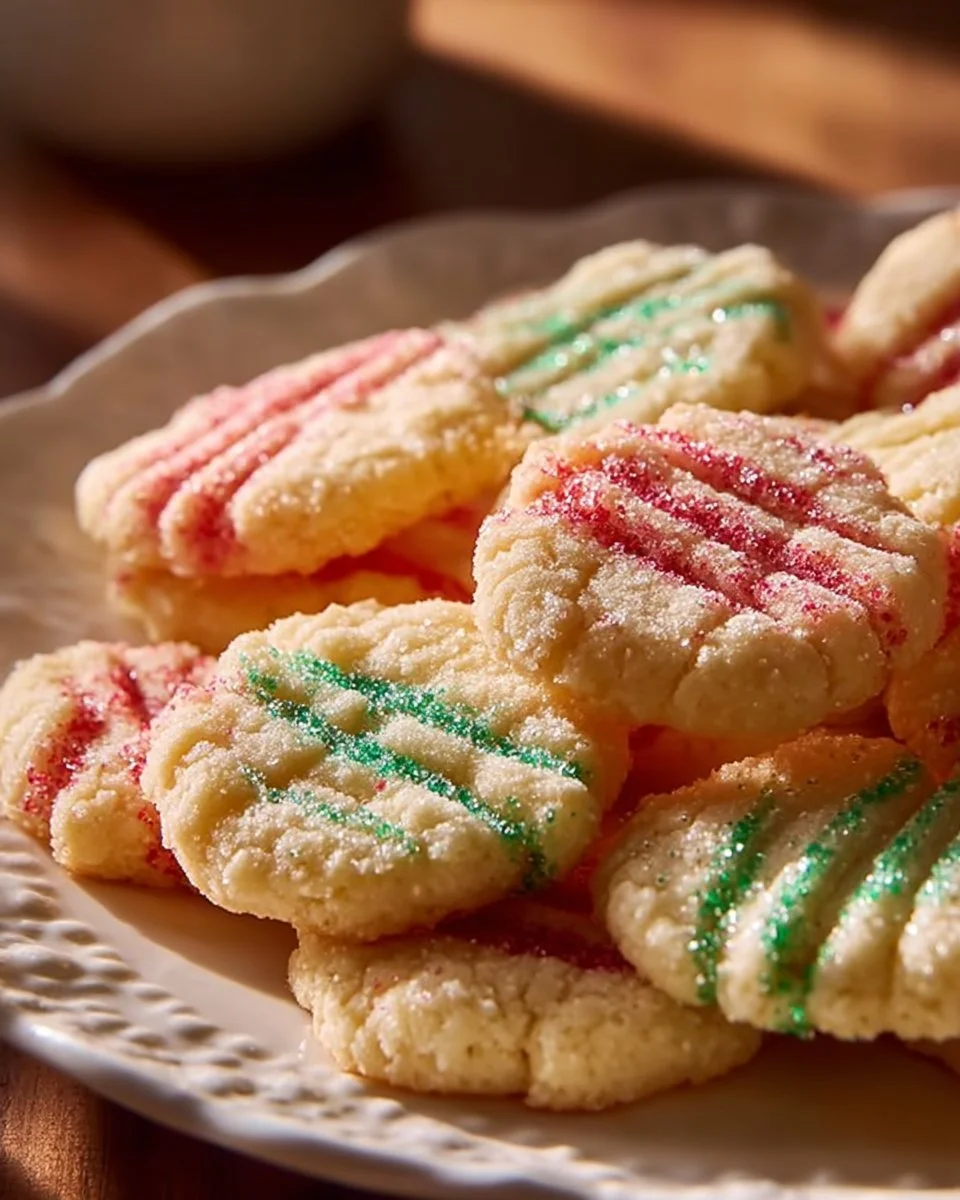
Easter Shortbread Cookies
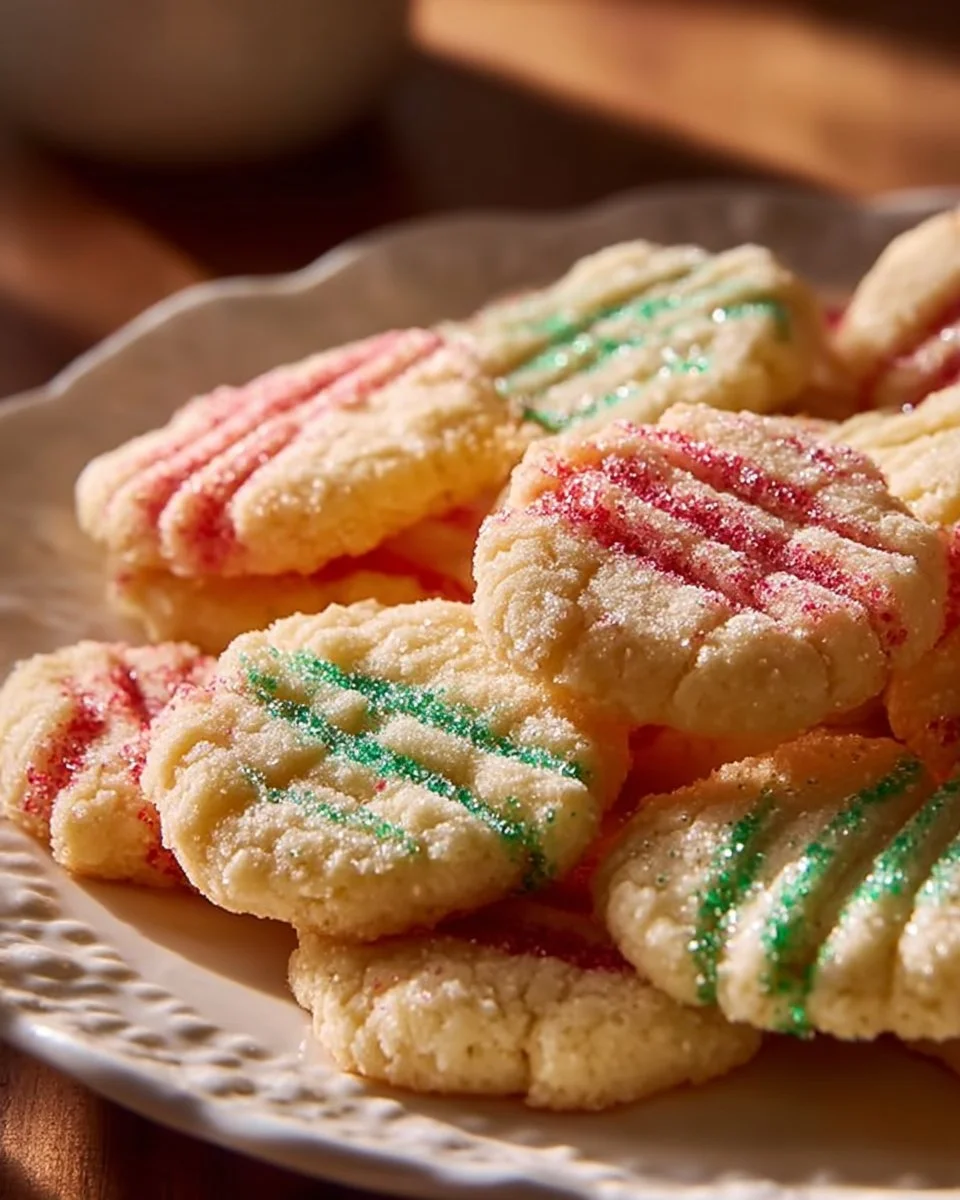
Warm, buttery, and meltingly tender, these Easter Shortbread Cookies are a simple, timeless treat that smell like sunshine and buttered sugar. The crumb is delicate and fine, with a rich, buttery flavor that lets the vanilla and a hint of citrus or almond shine through. Baked until the edges are just golden, these cookies hold their shape beautifully, making them perfect for rolling and cutting into festive egg shapes or keeping as rustic, round biscuits. They are ideal for sharing at spring gatherings, filling gift tins, or serving with tea on a breezy afternoon. Lightly decorated with pastel sprinkles or a drizzle of melted chocolate, they become a cheerful addition to any Easter spread. This recipe is forgiving, quick to mix, and perfect for bakers of all skill levels who want a classic, elegant cookie with minimal fuss.
Ingredients
-
1 cup (2 sticks) unsalted butter, softened
Softened butter gives the cookie its signature tender, melt-in-your-mouth texture. Do not use melted butter. -
3/4 cup powdered sugar
Powdered sugar keeps the dough smooth and yields a fine crumb and gentle sweetness. -
2 cups all-purpose flour
Provides structure. Spoon and level for accurate measurement if possible. -
1/4 cup cornstarch
Lightens the dough, giving a tender, shortbread-like texture. -
1 tsp vanilla extract
Adds warm, familiar flavor. Use pure vanilla for best results. -
1 tsp lemon or orange zest (optional)
Brightens the flavor with a fresh citrus note. Only add if you want a light, zesty lift. -
1/4 tsp almond extract (optional)
Use sparingly for a delicate nutty aroma. Combine with vanilla or use alone if preferred. -
Sprinkles or melted chocolate for decoration (optional)
Adds color and a festive finish. Use melted chocolate for drizzling or sprinkles before decorating.
Step-by-step Instructions
- Preheat the oven to 325°F (160°C) and line a baking sheet with parchment paper. This prevents sticking and helps the bottoms bake evenly.
- In a large bowl, cream together the softened butter and powdered sugar until light and fluffy. Beat for about 2 to 3 minutes to incorporate air.
- Add the vanilla extract and, if using, the almond extract or citrus zest. Mix until evenly distributed. Taste the dough and adjust the optional flavorings lightly if desired.
- Sift the all-purpose flour and cornstarch into the bowl. Mix gently until the dough comes together and there are no streaks of dry flour. Avoid overmixing to keep the cookies tender.
- Roll the dough into 1-inch balls, or flatten and cut shapes with cookie cutters if you prefer egg or spring shapes. If the dough is sticky, chill it 15 to 20 minutes to firm up slightly.
- Place the dough on the prepared baking sheet, spacing them at least 1 inch apart to allow a little spread. For cut shapes, transfer carefully with a thin spatula.
- Bake for 12 to 15 minutes until the edges are just golden. Watch closely near the end so they do not overbake. The centers should remain pale.
- Let cookies cool completely before decorating with sprinkles or melted chocolate. Cooling fully helps decorations adhere and keeps texture crisp.
Recipe Details
- Prep Time: 15 minutes
- Cook Time: 12 to 15 minutes
- Total Time: 30 minutes (plus cooling time)
- Servings: Makes about 24 cookies, depending on size
- Calories: Approximately 150 calories per cookie
Tips, Storage & Variations
-
Tips
- For uniform shapes and even baking, chill rolled dough for 15 minutes before cutting.
- Use room temperature butter for easier creaming and a lighter texture.
- If dough cracks when cutting shapes, a short chill will help it hold together.
-
Storage
- Store cooled cookies in an airtight container at room temperature for up to 5 days.
- Layer with parchment paper to prevent sticking when stacking.
-
Freezing
- Freeze unbaked shaped dough on a tray until firm, then transfer to a freezer bag for up to 3 months. Bake from frozen, adding 1 to 2 minutes to the bake time.
- Fully baked cookies freeze well in an airtight container for up to 2 months. Thaw at room temperature before decorating.
-
Flavor Variations (using only existing ingredients)
- Citrus shortbread: Add 1 tsp lemon or orange zest and skip the almond extract.
- Almond-vanilla: Use 1/4 tsp almond extract plus the 1 tsp vanilla for a delicate nutty note.
- Plain classic: Leave out the optional extracts and zest for a pure buttery shortbread, then decorate with sprinkles or melted chocolate.
FAQ
-
How do I prevent shortbread from spreading too much while baking?
Chill the shaped dough briefly before baking and be sure your oven temperature is accurate. -
Can I use salted butter instead of unsalted?
Yes, but reduce any added salt in other recipes. These cookies are meant to be gently sweet and buttery. -
Why is cornstarch used in the recipe?
Cornstarch softens the texture and creates a tender, crumbly shortbread crumb. -
Can I make the dough ahead of time?
Yes, you can refrigerate the dough for up to 48 hours or freeze it for longer storage. -
How should I decorate the cookies?
Let cookies cool completely, then either press sprinkles on immediately after a light glaze, or drizzle melted chocolate once cooled.
People Also Ask
-
What makes shortbread cookies crumbly?
A high butter to flour ratio and the addition of cornstarch produce a tender, crumbly texture. -
Is it necessary to sift the flour and cornstarch?
Sifting helps remove lumps and ensures a smooth, even dough. -
Can I roll these cookies thinner for a crispier texture?
Yes, rolling thinner and shortening bake time slightly yields a crisper cookie. -
Do these cookies need eggs?
No, this shortbread recipe contains no eggs, which helps keep the texture delicate. -
How long do baked shortbread cookies stay fresh?
At room temperature in an airtight container, they stay tasty for about 5 days. -
Will overmixing affect the cookies?
Overmixing develops gluten and can make the shortbread less tender, so mix just until combined.
Conclusion
These Easter Shortbread Cookies are a lovely, reliable recipe to brighten your spring table and make gifting simple and sweet. They are easy to customize with a touch of citrus zest or almond extract and finish beautifully with sprinkles or a ribbon of melted chocolate. If you want more ideas on festive shaping and presentation, see Easy Easter Shortbread Cookies – Buttery, Egg-Shaped & Giftable! for inspiration, and for another classic take on egg-shaped shortbread, check Easter Egg Shortbread Cookies – Baking Bites. Give these cookies a try, and share them with friends and family for a cozy, joyful celebration.